Quick answer: Effective brochure design starts with a clear purpose and audience, uses a format that suits the content (such as a tri-fold or bi-fold), leads with a strong headline, and combines concise copy, high-quality images and a clear call to action.
In today’s competitive business landscape, making a strong first impression is more important than ever. While digital marketing dominates many strategies, printed materials still play a vital role in communicating your brand’s story. Among these, brochures are a versatile and effective way to showcase your products, services, and values.
Whether you’re a small business owner, entrepreneur, or marketer in Austin, understanding the ins and outs of brochure design can make a significant difference in how your audience perceives your brand. This guide will walk you through everything you need to know—from fundamentals to best practices—so you can create brochures that truly resonate.
What Brochure Design Means
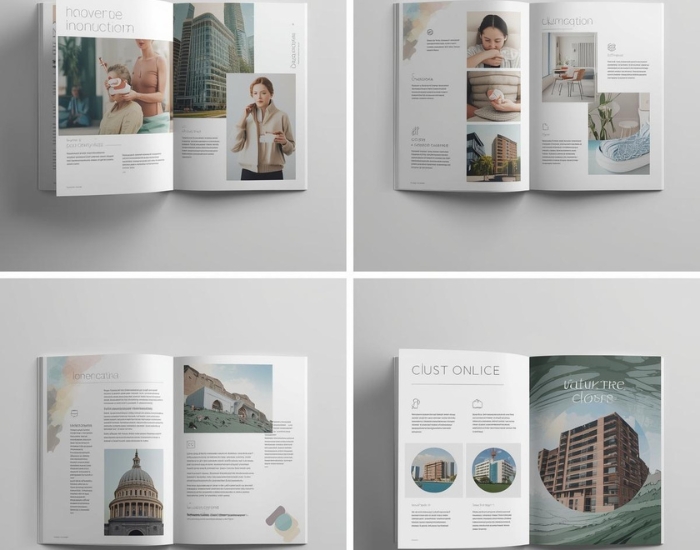
At its core, brochure design refers to the creation of a printed or digital document that conveys information about a company, product, or service in a visually appealing and organized way. It combines graphic design, copywriting, and branding principles to ensure that the final piece is both informative and engaging.
A well-designed brochure does more than just list services; it tells a story, highlights benefits, and guides the reader toward taking action—whether that’s contacting your company, making a purchase, or attending an event.
Key elements of brochure design include:
- Layout and Structure: Organizing content in a clear, digestible way
- Typography: Using fonts that reflect your brand personality and maintain readability
- Color Scheme: Choosing colors consistent with your brand identity
- Imagery: Incorporating high-quality images or illustrations that enhance the message
- Call-to-Action (CTA): Encouraging readers to take the next step
Common Challenges in Brochure Design
Even seasoned business owners encounter obstacles when creating brochures. Some of the most frequent challenges include:
- Cluttered Layouts – Trying to fit too much information on a single page can overwhelm readers.
- Inconsistent Branding – Using different colors, fonts, or styles than your existing brand can confuse your audience.
- Weak Messaging – Focusing on features instead of benefits can fail to connect with potential customers.
- Poor Print Quality – Low-resolution images or improper paper selection can make your brochure look unprofessional.
- Neglecting the Target Audience – Not tailoring the content to the needs and preferences of your audience reduces engagement.
By recognizing these challenges early, you can plan your brochure design more effectively.
Step-by-Step Guide to Effective Brochure Design
Creating an effective brochure doesn’t have to be complicated. Follow these actionable steps to produce a professional piece that delivers results:
Define Your Purpose and Audience
- Determine the main goal: Is it to educate, sell, or promote?
- Identify your target audience and their preferences.
- Tailor your messaging to address their pain points and interests.
Choose the Brochure Format
- Bi-fold: Simple, professional, and easy to read
- Tri-fold: Offers multiple sections for organizing information
- Z-fold / Gatefold: Ideal for showcasing visual storytelling
Develop Compelling Content
- Write concise, clear copy that focuses on benefits, not just features.
- Use headings, subheadings, and bullet points to improve readability.
- Include testimonials, statistics, or case studies where relevant.
Design the Layout
- Ensure consistency with your brand’s colors, fonts, and imagery.
- Maintain white space to prevent overcrowding.
- Position the CTA prominently.
Select High-Quality Images
- Use professional photography or custom illustrations.
- Avoid pixelated or generic stock images that may reduce credibility.
Review and Test
- Print a draft to check colors, alignment, and overall readability.
- Ask for feedback from colleagues or potential customers.
- Revise based on input before final printing.
Process Flowchart: From Concept to Printed Brochure
Here’s a simplified visual flow of the brochure design process:
Define Purpose & Audience
           ↓
Select Brochure Type
           ↓
Draft Content & Copy
           ↓
Design Layout & Visuals
           ↓
Review & Revise
           ↓
Print & Distribute
This flow ensures a systematic approach, reducing errors and maximizing impact.
Best Practices for Brochure Design
- Keep it Simple: Less is more—avoid cluttered pages.
- Prioritize Readability: Use legible fonts and contrast colors.
- Use Hierarchy: Highlight key information with headings and visuals.
- Incorporate Your Brand Identity: Colors, logos, and tone should align with your business.
- Include a Strong CTA: Guide readers on what to do next, whether it’s visiting a website, calling, or signing up.
- Test Across Formats: Ensure the brochure works in both print and digital versions if needed.
By following these best practices, your brochure becomes a strategic marketing tool that communicates professionalism and trustworthiness.
FAQs About Brochure Design
1. How long should a brochure be?
Most brochures are between 4–12 pages, depending on the complexity of your content. For a concise overview, a 2–4 page brochure works well.
2. Can brochures be used digitally?
Yes. Many businesses create digital PDFs or interactive brochures for online distribution, email campaigns, or social media sharing.
3. How important is paper quality?
Paper quality directly affects perception. Thicker, glossy, or textured paper conveys professionalism, while cheap paper may make your brand seem low-end.
4. What is the difference between a brochure and a flyer?
Brochures are usually multi-page, organized, and informative, while flyers are single-page and promotional in nature.
5. How often should a business update its brochures?
At least once a year or whenever there are significant updates in services, branding, or messaging. Regular updates maintain relevance and accuracy.
Final Thoughts
A well-crafted brochure is more than a piece of paper; it’s a powerful storytelling tool that can elevate your brand, connect with your audience, and drive action. By understanding the principles of brochure design, avoiding common mistakes, and following a clear, structured process, business owners in Austin can create brochures that leave a lasting impression.
Even in a digital-first world, brochures remain an essential part of a comprehensive marketing strategy. They communicate professionalism, build trust, and provide tangible evidence of your brand’s value.
If you’re looking for professional brochure design services in Austin, Austin Logo Designer specializes in creating visually compelling brochures that align with your brand and engage your audience. Contact us today to bring your ideas to life!